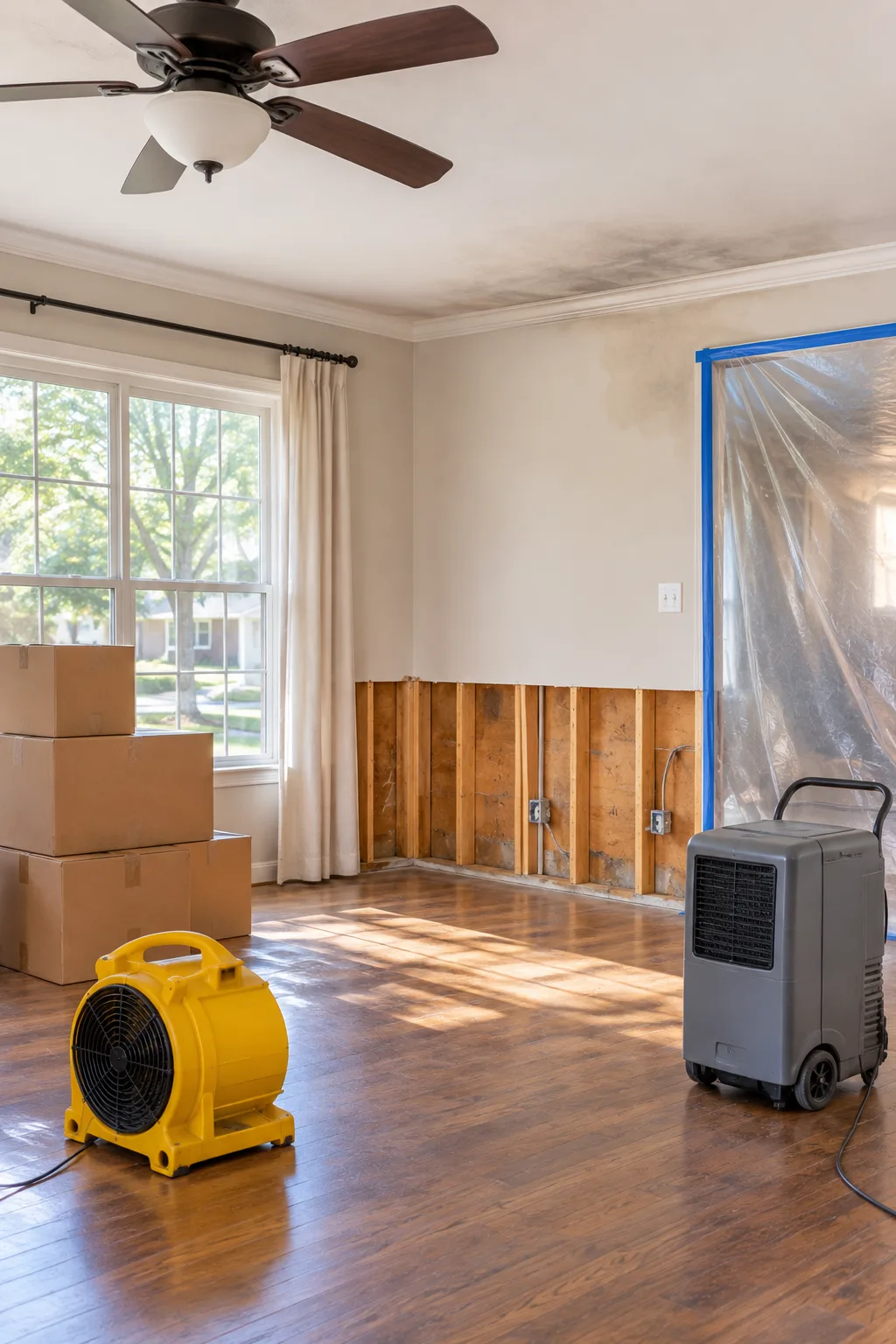
The short version
- 1
Safety comes first. Don't go back in until the fire department says it's safe.
- 2
Restoration is several jobs, often done by different companies: emergency repairs, cleaning, caring for your belongings, and rebuilding.
- 3
Most jobs in Dallas cost $4,357 to $57,916, and the cost depends on how far smoke and water spread.
- 4
Texas doesn't license general contractors at the state level, so checking a company is up to you. The checklist below helps.
- 5
Don't sign anything the night of the fire except for emergency board-up, tarping, or water removal.
Fire damage restoration, step by step
Short answer: Seven steps take you from the night of the fire back into your home. Temporary housing runs alongside steps 3 through 6.
-
The fire department decides when it's safe to go back in. Utilities may be shut off until they're checked.
-
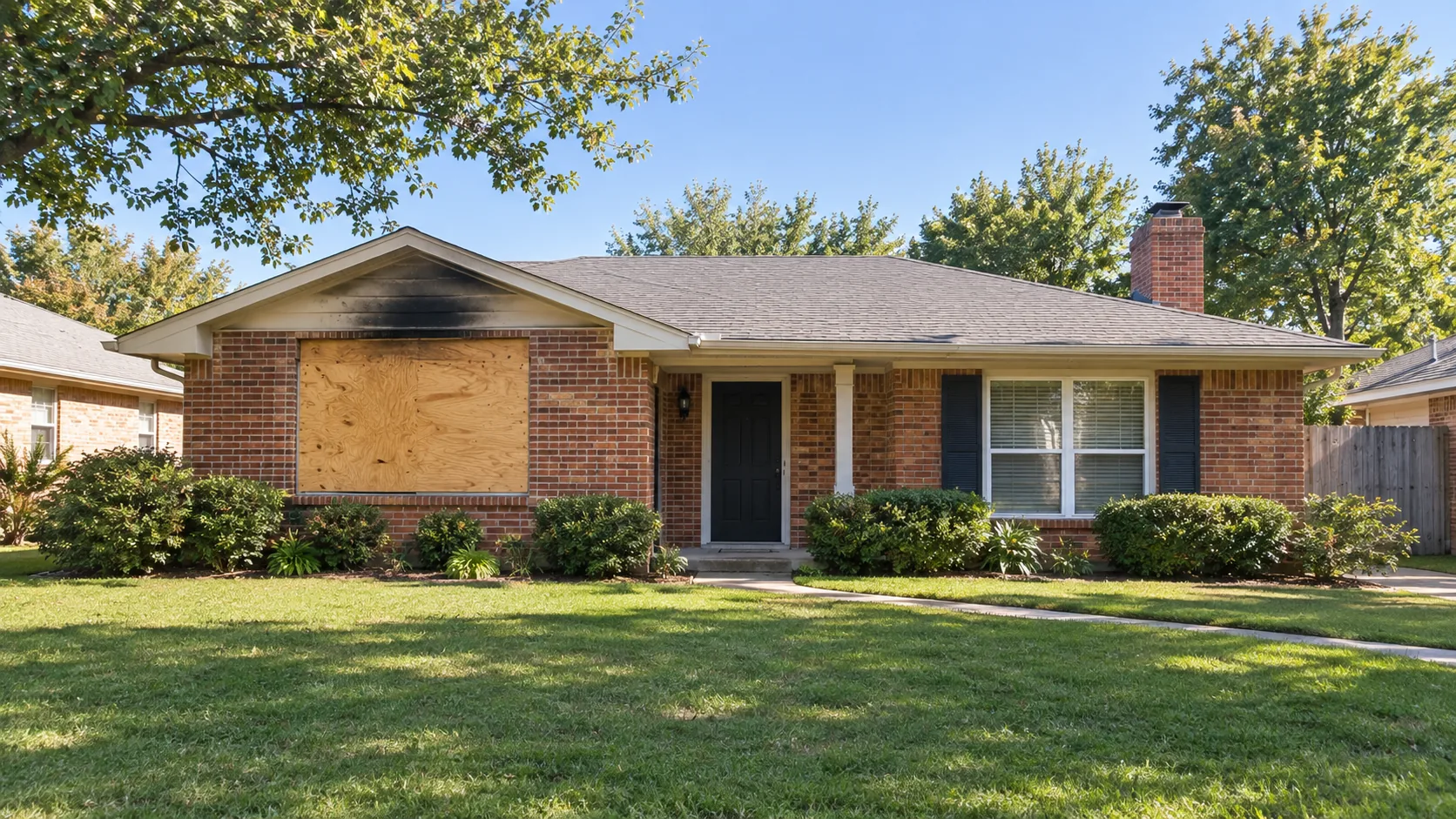
Board-up, roof tarping, and water removal. This is the one job that often can't wait. If you sign anything now, limit it to this emergency work.
-
Take photos and video as soon as it's safe, before anything is moved or thrown out. Ask your insurer to explain what your policy covers.
At the same time: find a place to stay -
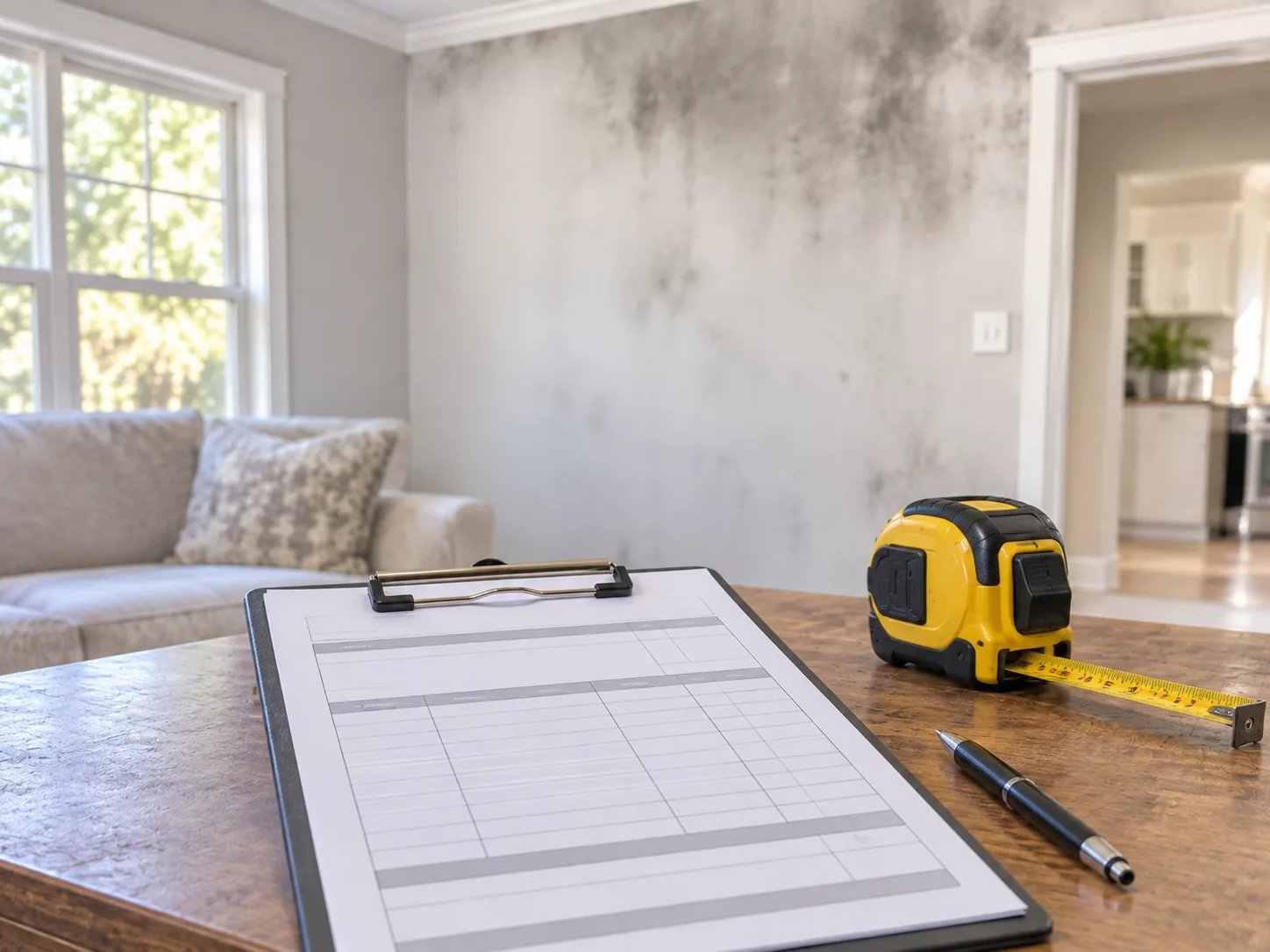
Get more than one written estimate and run each company through the 10 checks below.
-
Soot cleaning, deodorizing, and often a "pack-out," where your belongings are boxed up and cleaned off-site.
Why the smoke smell lingers · How to keep track of every box
-
Drywall, floors, wiring, and plumbing. Structural, electrical, and plumbing work usually needs city permits.
-
Walk through every room before you sign the completion form. Check that odors are gone when the heat or AC runs.
What it costs in Dallas
Short answer: Most Dallas restoration jobs cost $4,357 to $57,916. The average is $29,077. Cleanup alone usually runs $4.13 to $7.22 per square foot of damaged area.
Why two similar fires can cost very different amounts
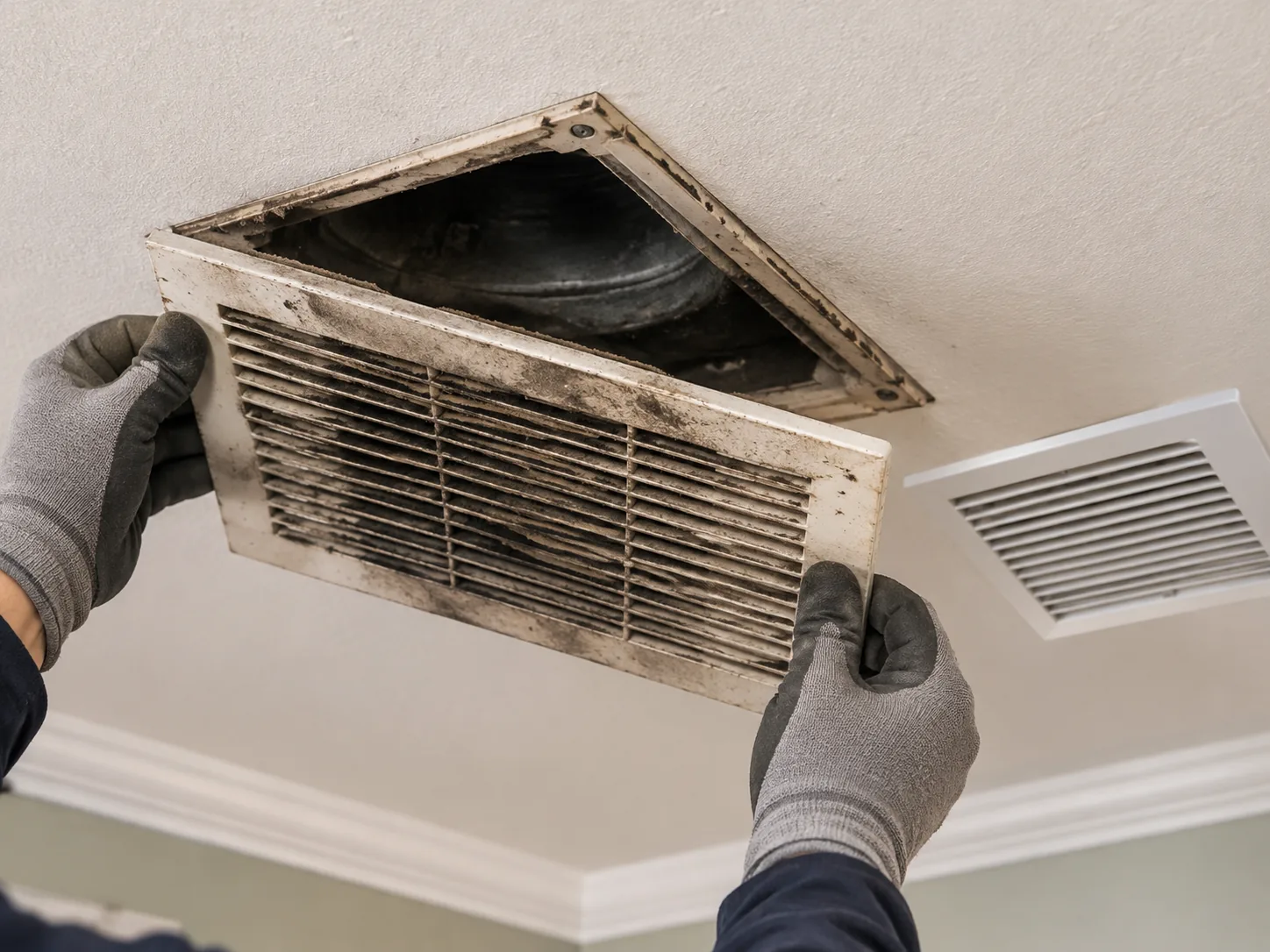
How far smoke traveled, including through the heating and AC system
How much water soaked in from firefighting
What burned, since plastics leave oily soot that's harder to clean
How fast cleanup started
Read your estimate: what's usually listed, and what's often missing
Usually on a restoration estimate
- Board-up and tarping
- Water removal and drying
- Soot and smoke cleaning
- Odor removal
- Removing damaged materials
Often separate, so ask
- Rebuilding burned rooms
- Mold work (often needs a Texas license)
- Cleaning or storing your belongings
- Duct cleaning
- Electrical and plumbing repairs
What you can do yourself, and what needs a pro
Short answer: Light soot on hard surfaces is often a do-it-yourself job. Anything structural or electrical, anything wet, and heavy soot need a professional.
You can usually handle
- Photographing and listing damage
- Wiping light soot off hard surfaces (wear gloves and an N95 mask)
- Throwing out food, medicine, and cosmetics exposed to heat or smoke
- Opening windows to air out rooms, if it's safe
- Saving receipts for everything you buy
Call a professional
- Anything structural, such as walls, beams, or the roof
- Wiring, outlets, and appliances that got hot or wet
- Wet drywall, insulation, or carpet, because mold can start within 24 to 48 hours
- The heating and AC system, which shouldn't run until it's inspected
- Heavy soot, or soot on fabric, carpet, or other porous materials
10 checks before you hire a restoration company
Short answer: Texas doesn't license general contractors at the state level, so these checks help fill the gap.
Before you sign: what to look for in the contract
Short answer: Many restoration problems start with a form signed in a hurry. Read these six parts first.
- 1
Scope of work. Does it say exactly what will be done? "Restore property" isn't enough.
- 2
Price. Is there a total, or only a price list? With only a price list, the final bill can keep growing.
- 3
Who gets paid. Look for wording like "direction to pay" or "assignment of benefits." Some forms let the company collect insurance money directly, or bill you for anything insurance doesn't pay.
- 4
Changes. Extra work should need your written approval before it starts.
- 5
Cancellation. How do you end the contract, and what do you owe if you do?
- 6
Liens. If there's a payment dispute, can the company put a lien (a legal claim) on your home?
What happened to other homeowners
- Real caseNine months out of her home.
An Orlando mother blamed the contract she signed the night of the fire.
Lesson: the night of the fire, sign only for emergency work.
- Real case$40,000 paid upfront, work unfinished a year later.
A couple paid a restoration company before work began and was still waiting more than a year later.
Lesson: tie payments to finished work.
- Real caseSigned for an inspection, got a crew.
A California homeowner signed a form for an inspection only, but the company sent more than a dozen workers anyway.
Lesson: get any limits in writing, and turn away crews you didn't approve.
- Real caseBilled for work not done.
After a Tampa Bay TV station looked into a Florida homeowner's bill, the company cut nearly $12,000 from the bill.
Lesson: ask for an itemized final bill.
How long restoration takes
Short answer: A small fire often takes one to two weeks to restore. A major fire can take one to three months or more.
Size of fire · Typical restoration time
- Small fire1–2 weeks
- Medium fire2–4 weeks
- Major fire1–3 months or more
Source: PuroClean of Southlake, Texas (2026).
What slows things down: insurance approvals, disagreements over the scope of work, city permits, and waiting for materials.
Common questions
Can fire damage be repaired?
Usually, yes. Smoke and soot damage can often be cleaned, and burned materials can be replaced. If the structure itself is badly damaged, rebuilding may cost less than repairing.
How long does fire damage restoration take?
Cleanup usually takes one to three weeks. Repairs and rebuilding can take weeks to months, depending on the damage, permits, and insurance decisions.
What can be saved after a fire?
Hard items like glass, metal, and ceramics often clean up well. Food, medicine, and cosmetics exposed to heat, smoke, or soot should be thrown out. Upholstered furniture and mattresses depend on how much smoke got in. What's worth cleaning
Is fire damage covered by homeowners insurance?
Most homeowners policies cover accidental fires, but limits and deductibles vary. Check your policy, or call the Texas Department of Insurance Consumer Help Line at 800-252-3439.
How much does it cost to repair fire damage in Dallas?
Most jobs cost $4,357 to $57,916, with an average of $29,077 (Angi, July 2026). See the full cost breakdown
How we put this guide together
We check every number against its original source and list it below.
We compared leading guides, cost data, guidance from Texas agencies, and real homeowner stories, and looked for what they leave out.
We review this page regularly. The date at the top shows the last review.
We're an independent information site. We don't do restoration work.
Guides for each step



Sources
9
- Angi, "How Much Does Fire Damage Restoration Cost in Dallas, TX?" (updated July 2026)
- PuroClean of Southlake, "How Long Does Fire Damage Restoration Take?"
- Texas Department of Insurance, "Is it OK for a contractor to waive my deductible?"
- Texas Department of Insurance, "Roofing and insurance: know the law"
- Texas Department of Licensing and Regulation, Mold Assessors and Remediators
- IICRC, Fire and Smoke Damage Restoration Technician (FSRT)
- American Red Cross, "Cleaning Up After a Fire"
- Dallas Fire-Rescue, "After the Fire" guide (City of Dallas)
- WFTV, ABC Action News, Scripps News, and Grist reporting, linked above