In short
Fire damage restoration means cleaning up and repairing a home damaged by fire, smoke, and the water used to put the fire out. In Dallas, most jobs cost between about $4,400 and $58,000, and cleanup usually takes one to three weeks before any rebuilding starts. The biggest cost drivers are how far smoke traveled, how much water soaked in, and how quickly cleanup began.
Where are you right now?
Key numbers
What does fire damage restoration cost in Dallas?
Angi's Dallas data puts the average job at about $29,000, with most falling between about $4,400 and $58,000. A small, contained fire can cost much less. Major structural damage can cost much more.
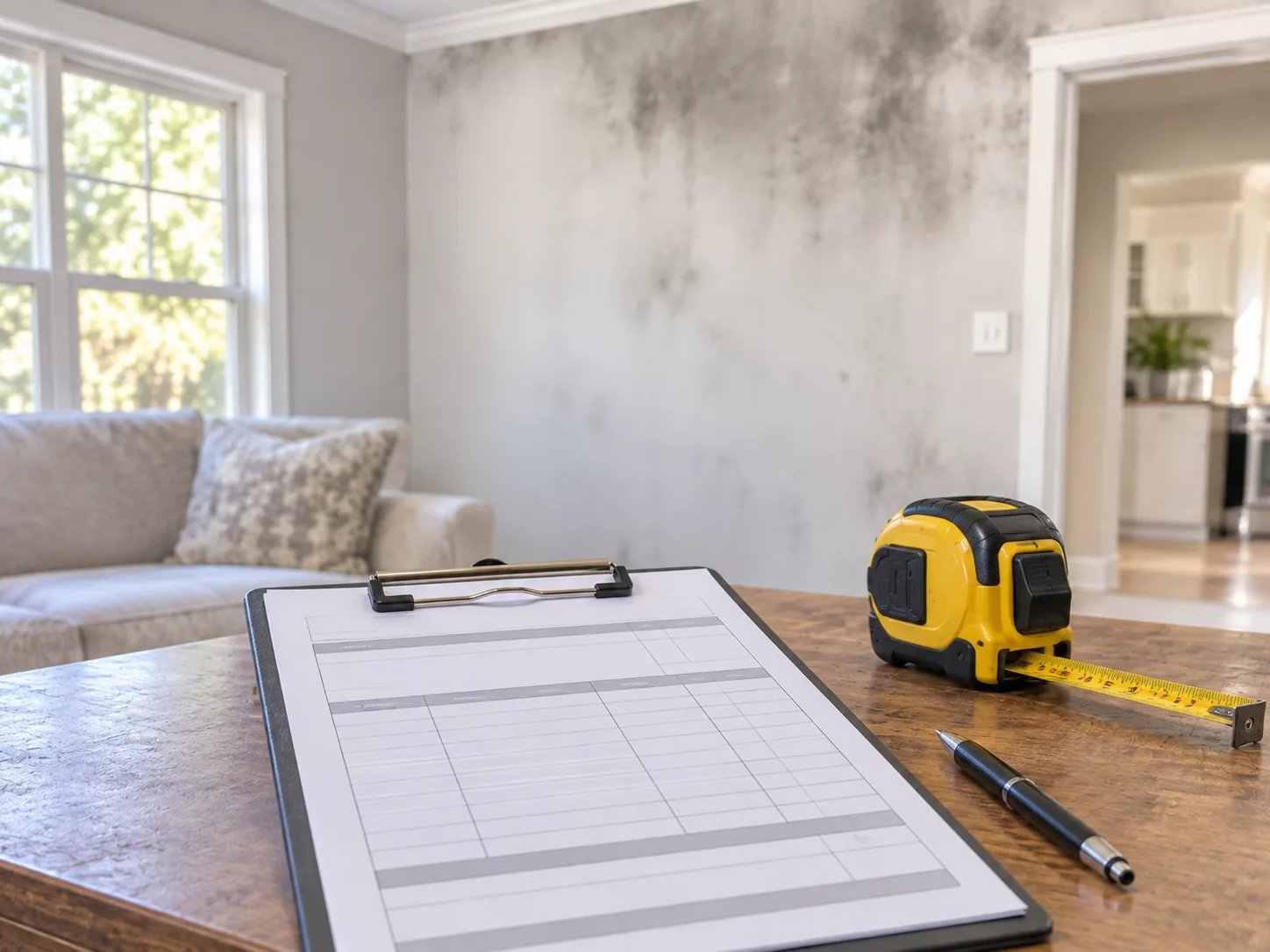
Treat these figures as a starting point, not a quote. Your actual cost depends on how far the fire, smoke, and water spread, what burned, and how much needs to be rebuilt.
How the major cost guides compare
No single cost guide tells the whole story, so we put four of them side by side. Their averages differ, probably because each one draws on different jobs and data. But the three that list a per-square-foot price land in nearly the same place.
| Source | Area | Typical range | Average | Per sq ft |
|---|---|---|---|---|
| Angi (updated July 2026) | Dallas | $4,357–$57,916 | $29,077 | $4.13–$7.22 (based on a 1,000 sq ft job) |
| HomeAdvisor | U.S. | $3,083–$52,031 | $27,477 | Not stated |
| LawnStarter (updated November 2026) | U.S. | $2,900–$38,325 | $20,470 | $4.25–$6.50 |
| HomeGuide | U.S. | $8,000–$18,000 | Not stated | $4–$7 |
What this tells you:
- Dallas looks close to national pricing. Angi's Dallas average ($29,077) is a bit higher than HomeAdvisor's national average ($27,477), and its per-square-foot range is in line with the national guides.
- Per-square-foot pricing is the most consistent measure. If a cleanup-only estimate comes out well above $7 per square foot of damaged area, ask the company to explain why.
- Rebuilding costs much more. HomeGuide puts rebuilding at about $50 per square foot for partial repairs, and about $100–$155 per square foot when a home is a total loss.
Note: Angi and HomeAdvisor are owned by the same company, so their figures may draw on overlapping data.
Typical cleanup cost by size of the damaged area (Dallas)
These ranges cover cleanup and restoration of the affected space. Jobs that need major rebuilding cost more, which is why the overall average above is higher.
| Damaged area (sq ft) | Typical Dallas range |
|---|---|
| 1,000 | $4,130–$7,220 |
| 1,750 | $7,220–$12,700 |
| 2,000 | $8,250–$14,500 |
| 2,500 | $10,400–$18,100 |
| 3,000 | $12,400–$21,700 |
| 4,000 | $16,500–$28,900 |
Source: Angi, Dallas cost data (July 2026).
Typical cleanup cost by type of fire
| Type of fire | Dallas (Angi) | National (HomeGuide) |
|---|---|---|
| Standard fire (wood, paper, fabric) | $9,280–$14,000 | $8,000–$14,000 |
| Cooking or grease fire | $12,400–$20,700 | $11,000–$18,000 |
| Electrical fire | $12,400–$23,800 | $10,000–$20,000 |
| Gas fire | $14,500–$20,700 | Not listed |
HomeGuide's ranges by fire type can run higher than its overall typical range. Angi puts whole-home soot removal in Dallas at about $2,070–$6,190.
Why two homes with "the same" fire can cost very different amounts
- Smoke travels. A small kitchen fire can push soot through the HVAC system into every room.
- Water adds a second job. Firefighting water soaks drywall, insulation, and floors, and wet materials can start growing mold within 24 to 48 hours.
- What burned matters. Plastics and synthetic materials leave oily, acidic soot that is harder to clean than soot from burned wood.
- Speed matters. The longer cleanup waits, the more soot etches surfaces and the deeper odors set in.
Tip: Ask every company for a written, itemized estimate. A one-line total makes it impossible to compare bids or to see what you're paying for.
How fire damage restoration works, step by step
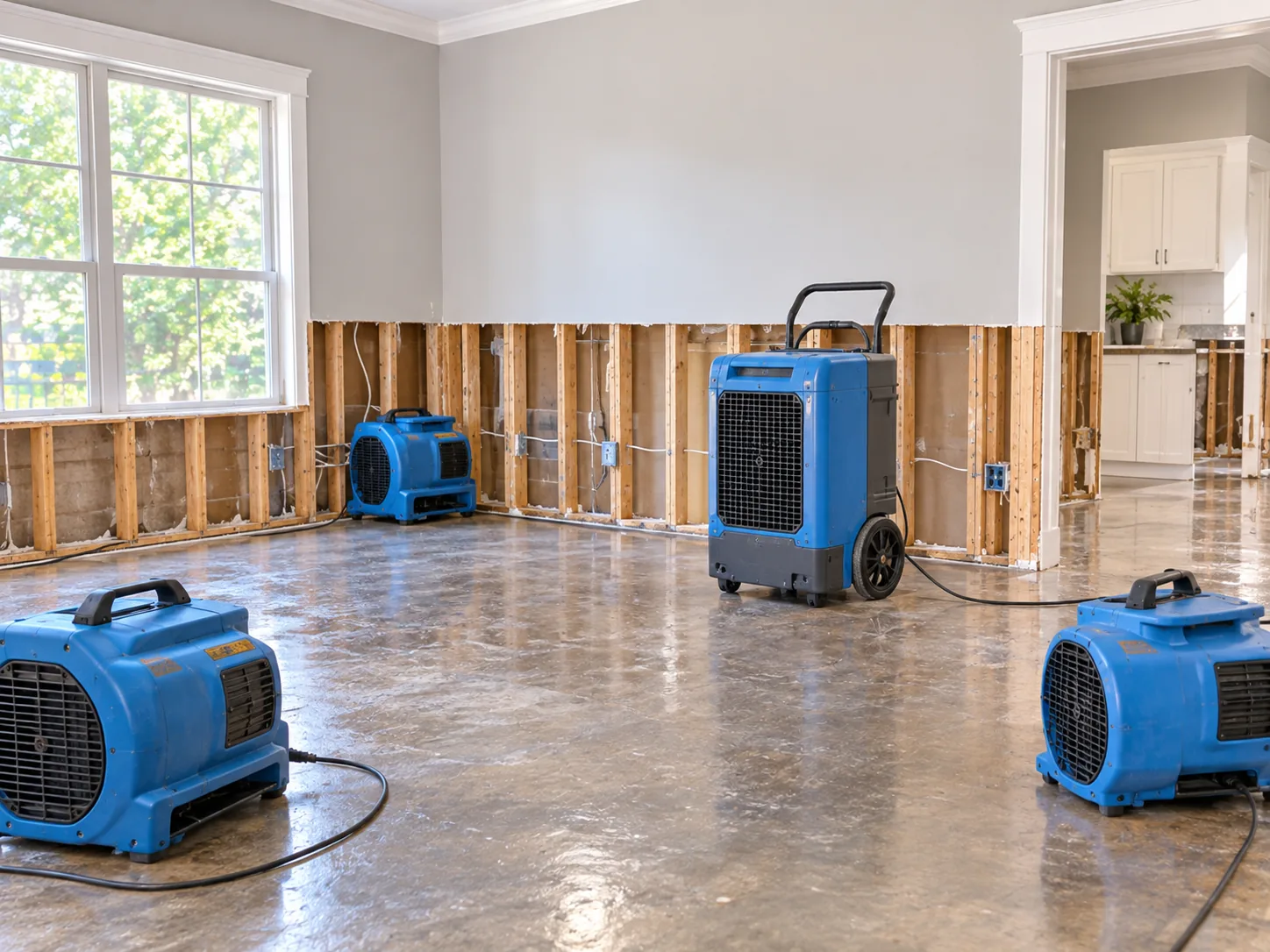
Most jobs follow the same order: inspect, secure, dry, clean, remove odor, then rebuild. Cleanup usually takes one to three weeks, and rebuilding can take weeks to months.
- Step 1Inspection and assessment (days 1–2)
A technician walks the property, checks how far smoke and water spread, and writes an estimate.
- Step 2Board-up and tarping (days 1–2)
Openings in walls, windows, and the roof are covered to prevent more damage and keep the property secure.
- Step 3Water removal and drying (starts days 1–2; drying often takes several days)
Standing water is pumped out, and fans and dehumidifiers dry the structure to help prevent mold.
- Step 4Pack-out of belongings (often in the first week)
Items that can be saved may be inventoried, boxed, and taken to a facility for cleaning and storage.
- Step 5Soot and smoke cleaning (1–3 weeks)
Walls, ceilings, cabinets, and belongings are cleaned with methods matched to the type of soot. Items that can't be saved are documented and removed.
- Step 6Odor removal (often alongside cleaning)
Air scrubbers, sealing, and sometimes hydroxyl or ozone treatments (ozone only when no people or pets are inside) target smoke odor that has soaked into materials.
- Step 7Repairs and rebuilding (weeks to months)
Damaged drywall, flooring, cabinets, and structural parts are replaced. Structural, electrical, and plumbing repairs usually need city permits and inspections.
Timelines vary with the size of the job, insurance decisions, and material availability.
7 questions to ask before you hire a restoration company
Ask about certifications, insurance, a written itemized estimate, who does the work, mold licensing, communication, and the contract's payment and cancellation terms.
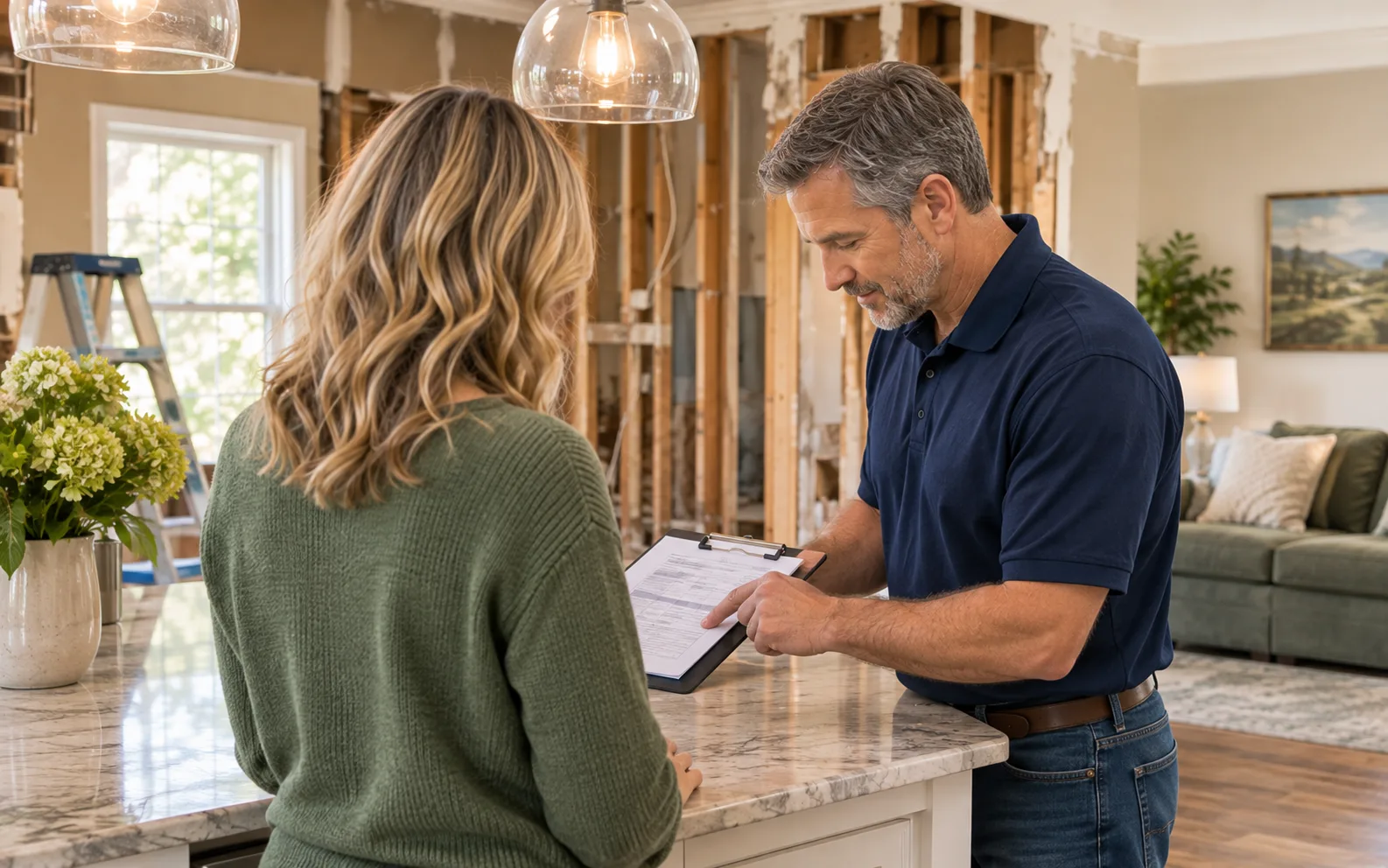
You're often choosing a company while stressed and short on sleep. These questions help you compare companies on facts instead of pressure.
- "Are your technicians IICRC-certified?" The Institute of Inspection, Cleaning and Restoration Certification (IICRC) sets industry standards and certifies restoration technicians. Ask which certifications the crew on your job holds, or look up certified firms with the IICRC Global Locator.
- "Can you show proof of insurance?" Ask for general liability and workers' compensation coverage, and confirm it's current.
- "Will you give me a written, itemized estimate?" You want line items, not a single total.
- "Who will actually do the work?" Some companies send subcontractors. Ask who they are and who supervises them.
- "How do you handle mold if you find it?" In Texas, mold remediation covering 25 contiguous square feet or more generally requires a license from the Texas Department of Licensing and Regulation (TDLR), and the same company can't do both the mold assessment and the remediation on one job. Ask whether the company or its partner holds the right license.
- "How will you communicate with me and my insurer?" Get one point of contact and ask how often you'll get updates.
- "What does your contract say about payment and cancellation?" Check the payment schedule, what happens if insurance pays less than expected, and how to cancel.
You can also look up a company's complaint history with the Better Business Bureau and read recent local reviews.
Printable: estimate checklist (use one per company)
- [ ] The estimate is written and itemized, not a single total
- [ ] Square footage is listed, so you can work out the price per square foot
- [ ] Odor treatment is described, including the HVAC system and attic if smoke reached them
- [ ] Pack-out, cleaning, and storage of belongings are priced separately
- [ ] Mold work, if any, names a TDLR-licensed company
- [ ] Payment schedule and cancellation terms are in writing
- [ ] Proof of insurance and copies of certifications are attached
Red flags: when not to sign
Avoid these mistakes
- They showed up at the scene uninvited. Dallas Fire-Rescue advises fire victims not to sign documents from companies that appear at the scene. Take a business card instead and decide later.
- They want a big deposit before any work starts.
- They pressure you to sign today. A trustworthy company will give you time to read the contract and compare bids.
- They won't put the estimate in writing.
- They offer to "handle" your insurance claim for you, or ask you to sign over your rights or your insurance payments. In Texas, contractors aren't allowed to act as public adjusters. Don't sign anything like this that you don't fully understand.
- They can't show proof of insurance or certifications.
The Federal Trade Commission warns that scams often follow disasters. Emergency board-up and water removal often can't wait. You can limit what you sign to that emergency work and take your time choosing who handles the full restoration.
Do you have to use your insurer's preferred company?
Usually not. Insurance companies often recommend restoration companies from a preferred network, and these can be a convenient option, but in most cases you can choose your own. Check your policy and ask your adjuster if you're unsure.
| Factor | Insurer's preferred company | A company you choose |
|---|---|---|
| Getting started | Often faster | You'll need to compare and vet |
| Pricing | Often uses rates agreed with the insurer | Your insurer reviews the estimate and may question some line items |
| Relationship | Has an agreement with your insurer | No agreement with your insurer |
Either way, it's worth getting more than one estimate, and keeping your own photos, notes, and copies of every estimate and invoice.
Surprises that catch many homeowners later
The surprises usually come later, not on day one. Lingering smoke odor, belongings that get lost during pack-out, and limits on temporary housing coverage catch many families off guard.
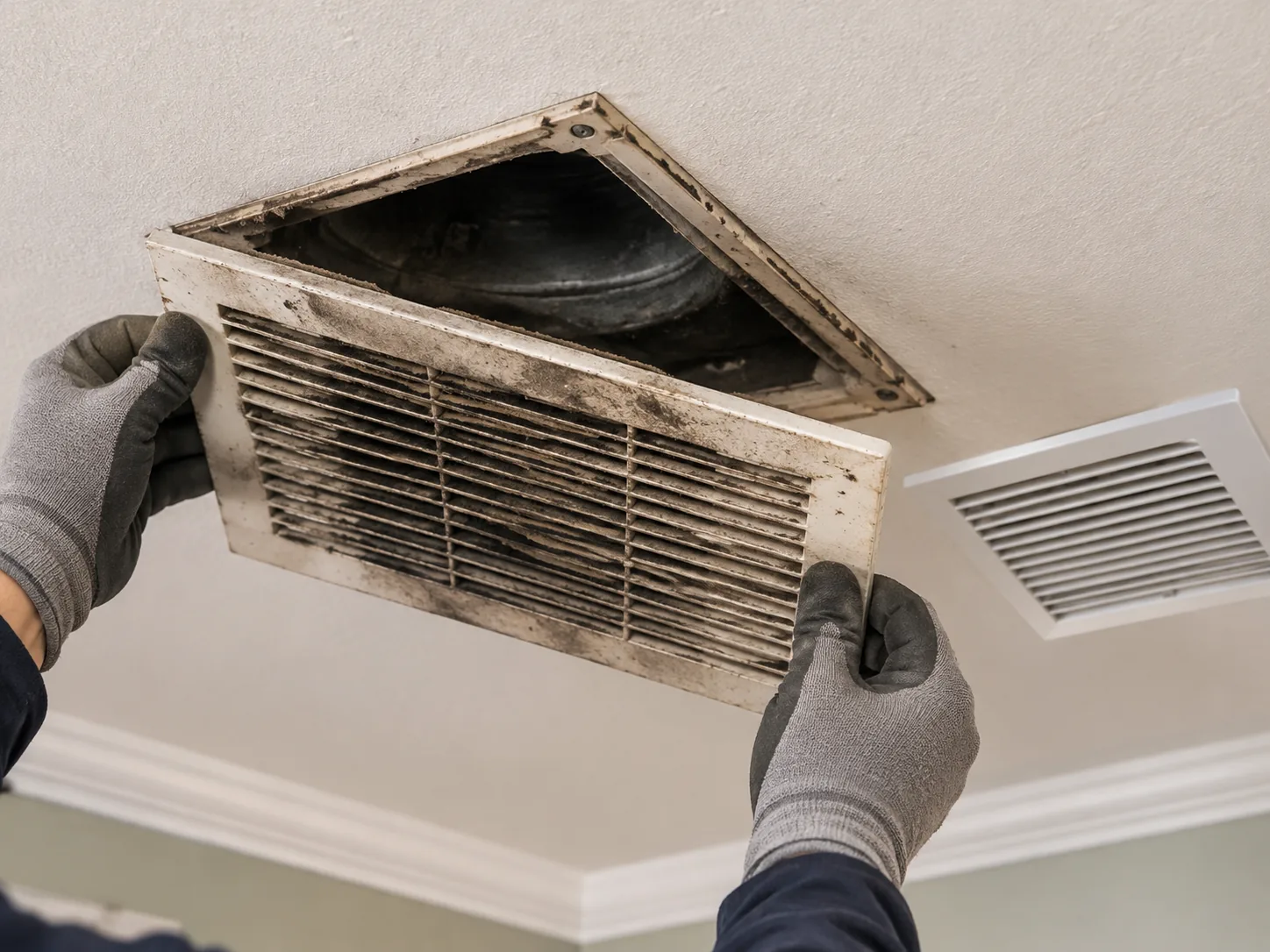
Smoke particles can hide in wall cavities, the attic, the subfloor, and the HVAC system. Restoration companies say odors can return weeks or months later, especially when the heat or air conditioning starts running. Ask how a company will treat those hidden areas, not just the rooms you can see.
Before anything leaves the house, photograph each room as it is, and ask the company for a printed inventory with box numbers. Check the inventory again when your belongings come back.
Cleaning clothing, fabrics, and furniture can add up fast. Ask for a cost estimate before items are sent out, and talk with your insurer about what makes sense to clean and what makes sense to replace.
If you have a mortgage, the repair payment may be made out to both you and your lender, and the lender may release it in stages as work is finished. Consumer Reports suggests calling your mortgage servicer soon after the fire to ask how its process works.
Many policies limit how long and how much they'll pay for temporary housing, and repair delays don't always extend those limits. Ask your insurer early so you can plan.
Help available in Dallas–Fort Worth
| What you need | Where to start |
|---|---|
| A copy of your fire report | In Dallas, submit an open records request at dallascityhall.com. In other cities, ask your local fire department. |
| Emergency shelter, food, and clothing | American Red Cross North Texas |
| Questions about your homeowners insurance | Texas Department of Insurance Consumer Help Line |
| Power lines and outages | Oncor in most of DFW. Some cities and co-ops (for example, Garland and Denton) have their own electric utility. |
| Gas service | Your gas company (Atmos Energy in much of DFW) |
| Building safety and permits | Your city's building or development services office |
For phone numbers and step-by-step instructions, see What to Do After a House Fire in Dallas.
Frequently asked questions
Does a room with only smoke damage need professional cleaning?
Often, yes. Smoke residue can be acidic and can keep discoloring surfaces over time, and odor can soak into drywall, insulation, and fabrics. Light smoke on hard surfaces can sometimes be cleaned at home, but heavy soot or lingering odor usually needs professional treatment.
Why does the smoke smell come back after cleaning?
Usually because smoke residue is still hiding somewhere that wasn't treated, such as inside walls, in the attic, under new flooring, or in the ductwork. Changes in temperature and humidity can release the odor again, which is why many people notice it when the heat or air conditioning first runs. Ask your restoration company to recheck those areas.
How long does fire damage restoration take?
Cleanup and drying usually take one to three weeks. Repairs and rebuilding can take several weeks to a few months, depending on the damage, permits, and insurance decisions.
Can I clean soot myself?
You can usually clean light residue on hard surfaces with gloves and an N95 mask, but rubbing soot can smear it deeper into surfaces. Leave heavy soot, porous materials, and anything electrical to professionals.
Is it safe to stay in a house with smoke damage?
That depends on how bad the damage is. Smoke residue can irritate your lungs, especially for children, older adults, and anyone with asthma. Ask the fire department and your restoration company before staying overnight.
Should I run my HVAC system after a fire?
Not until it's been inspected. Running it can spread soot through the whole house. Ask for the ducts and system to be checked and cleaned first.
What should I keep for my insurance claim?
Photos and video of the damage, a list of damaged items, the fire report, and receipts for all fire-related expenses. Keep damaged items until your adjuster has seen them.
Your next step
If the fire was in the last few days, our Dallas checklist walks you through the first calls, how to get your fire report, what to keep, and where to stay while your home is repaired.
Where to go next
Sources
- Angi, "How Much Does Fire Damage Restoration Cost in Dallas, TX?" (updated July 2026)
- Angi, "House Fire Restoration" (updated July 2026)
- HomeAdvisor, "How Much Does Fire and Smoke Remediation Cost?"
- LawnStarter, "How Much Does Fire and Smoke Damage Restoration Cost?" (updated November 2026)
- HomeGuide, "How Much Does Fire Damage Restoration Cost?"
- Consumer Reports, "Rebuilding After a Disaster? Don't Let These Insurance Surprises Slow You Down"
- ServiceMaster Restore, "'It Smells Fine' After a Fire" (February 2026)
- NAIC, "What Are Additional Living Expenses and How Can Insurance Help?" (January 2025)
- Dallas Fire-Rescue, "After the Fire" guide (City of Dallas)
- IICRC Global Locator (find certified technicians and firms)
- Texas Department of Licensing and Regulation, Mold Assessors and Remediators
- Federal Trade Commission, "How To Avoid Scams After Weather Emergencies and Natural Disasters"
- American Red Cross, North Texas Region
- Texas Department of Insurance, Consumer Help Line