Smoke & Belongings
What can I save?
Smoke and soot travel farther than the flames. Here’s what can usually be cleaned, what to document and how the pack-out works.
The short version
- Smoke travels far beyond the room that burned, so check the whole house, including the attic, walls and ducts.
- A smell that keeps coming back usually means hidden residue, which air fresheners and fresh paint rarely fix.
- Photograph and list your belongings before anything is moved or thrown away.
- If a company packs out your belongings, make sure every box is numbered and get a copy of the inventory.
$200–$1,500 per roomTypical professional smoke odor and residue cleanupSource: two national cost guides
About $300–$800Typical ozone treatment for a homeSource: three cost guides
More than halfShare of U.S. consumers with no list of their belongingsSource: NAIC survey, 2012
Read these in order
01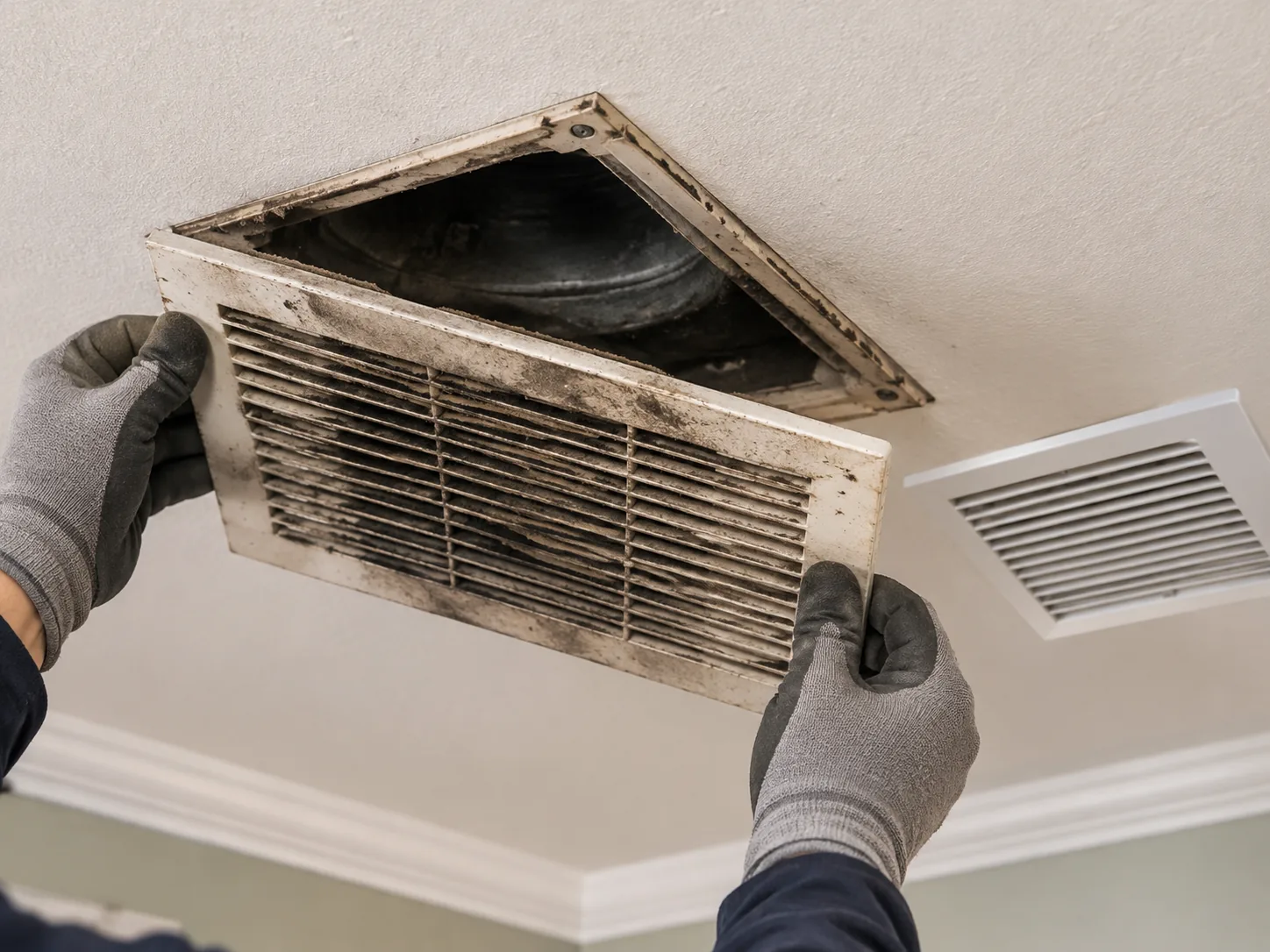 Why the smoke smell comes back months later→02
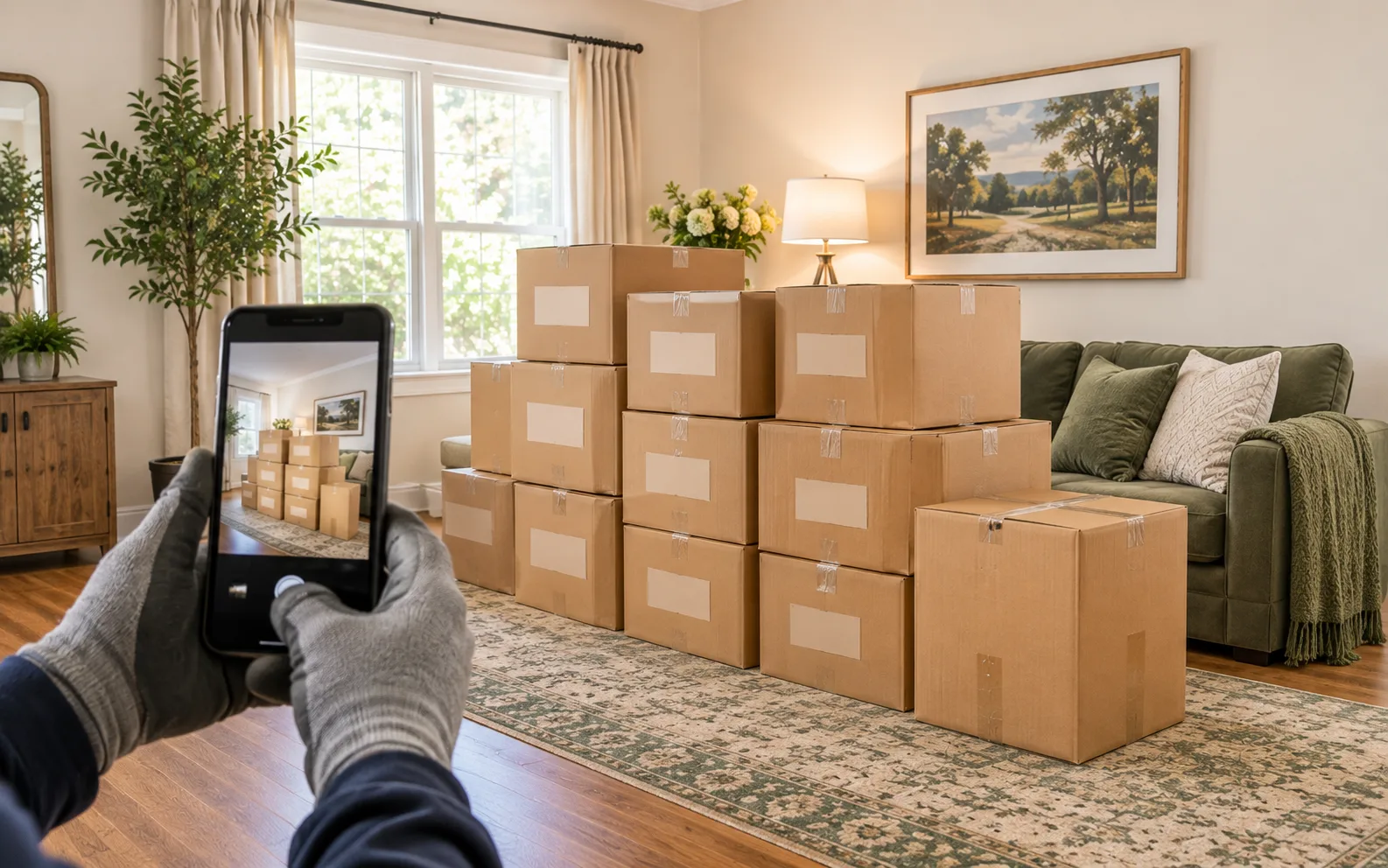 How the pack-out works, with a home inventory form→
Quick answers
Why does my house still smell like smoke?
Smoke residue often hides in walls, attic insulation, ductwork and fabrics, and heat and humidity can release it again. The smell usually goes away only when the source is cleaned or removed.
Should I throw away food after a fire?
Usually, yes. USDA guidance says to throw away food exposed to heat, smoke or firefighting chemicals, since chemical residue can't be washed off. Photograph and list it first for your records.